Source Modern Recessed Gypsum Lamp for living rooms, hotels, and offices
Explore 30 options for Modern Recessed Gypsum Lamp designs suitable for residential and commercial spaces. Buyers can compare specifications, pricing, and customization features to find the ideal lighting solution for their projects.
Key considerations
Products List
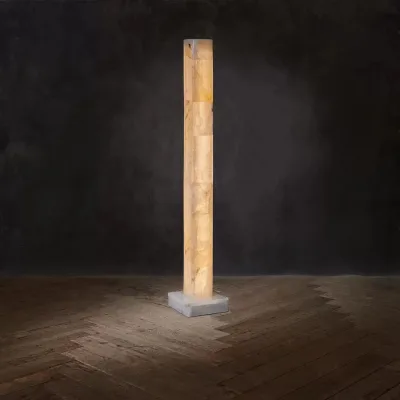


High Quality Soundproof Modern Design Practical Function Decoration Lamp
$310.00 - $317.00
MOQ: 20 Pieces

High Quality Modern Design Hot Selling Decoration Material Pendant Lamp
$60.00 - $64.00
MOQ: 20 Pieces


Comprehensive Sourcing Guide
Strategic Sourcing Guide for Modern Recessed Gypsum Lamps
Understanding the Product Category and Technical Specifications
When sourcing modern recessed gypsum lamps, buyers must first distinguish between the general category of recessed lighting and the specific aesthetic and functional requirements of gypsum-integrated fixtures. The core keyword implies a lighting solution designed to be embedded within gypsum board ceilings, offering a seamless, flush appearance that aligns with contemporary interior design trends. While the provided product data highlights specific items such as floor lamps and crystal chandeliers, the principles of sourcing recessed gypsum units rely on verifying compatibility with standard ceiling structures and electrical systems.
A critical technical parameter for any recessed gypsum lamp is the voltage compatibility. The supplied context indicates that lighting products in this sector often support a broad input voltage range, specifically 110-240V or AC85-265V. This wide range is essential for international procurement, ensuring the fixture can operate reliably in regions with varying grid standards without requiring external transformers. Buyers should verify that the specific recessed unit they select matches the local mains voltage to prevent immediate failure or safety hazards. Furthermore, the light source technology is predominantly LED in modern applications. The data confirms the use of LED chips, such as Bridgelux, which offer high efficiency and longevity. For recessed applications, the lifespan is a key metric, with observed data suggesting a potential operational life of up to 50,000 hours. This figure represents a significant advantage over traditional incandescent or halogen recessed units, reducing long-term maintenance costs.
The color temperature (CCT) is another vital specification for achieving the desired ambiance. The available data lists options including 3000K, 4000K, and 6000K, alongside specific mentions of "Warm White." For modern residential and commercial spaces, 3000K typically provides a cozy, inviting atmosphere, while 4000K offers a neutral, crisp light suitable for offices or kitchens. Buyers must ensure the selected recessed lamp offers the specific CCT required for the project's design intent. Additionally, the beam angle is crucial for defining the light distribution. A standard beaming angle of 80° is noted in the context, which provides a wide spread of light. However, for specific accent lighting or focused tasks, buyers should verify if narrower beam angles are available, as the standard 80° may not suffice for all architectural lighting designs.
Compliance and Certification Verification
In the B2B lighting sector, compliance is not merely a formality but a prerequisite for market access and safety. The provided product facts list a comprehensive array of certifications, including CE, RoHS, VDE, SAA, CCC, CQC, and ETL. These certifications indicate adherence to various regional safety and environmental standards. For instance, CE marks compliance with European Union safety directives, while SAA is specific to Australia and New Zealand. When sourcing modern recessed gypsum lamps, buyers must demand proof of these certifications relevant to their target market. The presence of certifications like EMC (Electromagnetic Compatibility) and LVD (Low Voltage Directive) ensures that the fixture does not interfere with other electronic devices and operates safely within low-voltage parameters.
It is important to note that the data includes a wide spectrum of certifications, ranging from Energy Star and FCC to GOST and PSE. This suggests that suppliers may offer products tailored to specific export destinations. However, buyers should not assume that a single product listing satisfies all global standards simultaneously. Instead, the procurement strategy should involve requesting specific test reports for the batch intended for delivery. For example, if the destination is North America, verifying ETL or UL listing is critical. If the market is the European Union, CE and RoHS compliance are non-negotiable. The data also mentions "Our Certification" lists, which serve as a starting point for verification but require validation against the specific product model number, such as EZXD89996 or other recessed variants.
Furthermore, environmental compliance is increasingly important. The RoHS (Restriction of Hazardous Substances) certification, frequently mentioned in the data, ensures that the fixture is free from specific hazardous materials like lead and mercury. This is particularly relevant for recessed lamps that may be difficult to access for disposal or replacement. Buyers should also check for IP ratings, although the provided text mentions "IPIrradiated Area" rather than a standard IP65 or IP67 rating. For recessed gypsum lamps, which are typically installed in dry indoor environments, a standard IP rating may not be the primary concern, but verifying the IP rating for damp or wet locations is essential if the installation area includes bathrooms or outdoor covered patios.
Cost Drivers and Pricing Dynamics
The pricing of modern recessed gypsum lamps is influenced by several factors, including material composition, certification costs, and customization requirements. The observed price range in the provided data spans from $1 to $1,223.83, indicating a vast disparity based on product complexity and brand positioning. For recessed units, the cost is often driven by the quality of the LED driver, the thermal management system, and the finish of the housing. While the data mentions "Lamp Power(W): Other," suggesting variable wattage options, the actual power consumption directly impacts the cost of the LED chips and the driver circuitry. Higher wattage or more efficient drivers that offer better color rendering indices (CRI) will naturally command a higher price point.
Material costs also play a significant role. The data references body materials such as "Iron+Crystal" for chandeliers, but for recessed gypsum lamps, the housing is typically made of aluminum or steel to ensure heat dissipation. The finish, such as "Polished Gold" or standard white, adds to the manufacturing cost. Customization is listed as "Available" in the context, which implies that buyers can request specific dimensions, colors, or beam angles. However, customization often incurs additional tooling fees and higher Minimum Order Quantities (MOQ). The observed MOQ range of 1 to 3,800 units suggests that while some suppliers may offer single-item samples, bulk orders are required to achieve competitive pricing. Buyers should be aware that the lower end of the price range likely corresponds to standard, non-customized units with basic certifications, while the higher end reflects premium designs with extensive customization and full global compliance.
Lead times are another cost driver. The data specifies a delivery date of "25-30 Days After The DEP" (likely meaning after deposit or design approval). This lead time can fluctuate based on the complexity of the order and the supplier's current production capacity. Rush orders or expedited shipping will inevitably increase the total landed cost. Additionally, packaging requirements, such as "Carton Packed with Foam Inside or Wooden Packed," affect shipping costs. Wooden crates provide superior protection for fragile components but are heavier and more expensive to ship. Buyers must balance the risk of damage during transit against the cost of premium packaging when calculating the total cost of ownership.
Typical Applications and Design Integration
Modern recessed gypsum lamps are primarily designed for indoor use, as indicated by the "Application: For Indoor Use Only" attribute in the data. These fixtures are versatile and suitable for a wide range of environments, including living rooms, hotels, restaurants, and luxury homes. The design style is described as "Modern," "Contemporary," or "European," allowing them to blend seamlessly into various interior aesthetics. The flush-mount nature of recessed gypsum lamps makes them ideal for rooms with lower ceilings, where pendant or chandelier fixtures might feel obstructive.
The lighting solutions services offered by suppliers, such as "Light Drawing And Design" and "Agi32 Layout," are particularly valuable for large-scale projects. Agi32 is a standard software used for photometric calculations, allowing designers to simulate lighting levels and distribution before installation. For commercial projects like hotels or restaurants, where lighting ambiance is critical, these services ensure that the recessed lamps meet the specific lux requirements of the space. The data also mentions "Project Lighting Design," indicating that suppliers can provide tailored solutions for complex architectural layouts.
For residential applications, the ability to customize the color temperature and beam angle allows homeowners to create layered lighting schemes. For example, using 3000K warm white lights in living areas creates a relaxing environment, while 4000K neutral lights in kitchens or home offices provide better visibility for tasks. The "Support Dimmer: Yes" attribute is a significant feature for these applications, enabling users to adjust the light intensity to suit different moods or times of day. This flexibility enhances the user experience and energy efficiency, as lights can be dimmed when full brightness is not required.
Supplier Evaluation and Quality Control
Evaluating a supplier for modern recessed gypsum lamps requires a thorough assessment of their technical capabilities, quality control processes, and after-sales support. The data highlights several key attributes that serve as indicators of supplier reliability. First, the "Lifespan (Hours): 50000" claim should be verified through third-party testing reports. A supplier that confidently states a 50,000-hour lifespan is likely using high-quality LED chips and robust drivers, but this claim must be backed by evidence. Second, the "Warranty(Year): 3-Year" is a standard benchmark for quality assurance. A supplier offering a three-year warranty demonstrates confidence in their product's durability and is willing to stand behind their work.
Quality control should also extend to the manufacturing process. The data mentions "Process: Finish: Polished Gold," which implies attention to detail in surface treatment. For recessed lamps, the finish must be uniform and resistant to corrosion or discoloration over time. Buyers should request samples to inspect the build quality, including the fit and finish of the trim ring and the stability of the mounting mechanism. The "Packing: Polybag, Polyfoam, Carton, Wooden crate" options suggest that the supplier has a structured packaging protocol to prevent damage during shipping. However, buyers should verify that the packaging is sufficient for the specific fragility of the product, especially if the lamp contains glass or crystal elements.
Supplier evaluation should also consider the "Lighting solutions service" capabilities. A supplier that offers "Light Drawing And Design" and "Agi32 Layout" is better equipped to handle complex projects than one that only sells off-the-shelf products. This level of service indicates a deeper understanding of lighting design principles and the ability to provide technical support throughout the project lifecycle. Additionally, the "Customization: Available" attribute suggests that the supplier is flexible and willing to adapt products to specific client needs. Buyers should assess the lead time for custom orders and the minimum order quantities required for customization to ensure they align with their project timeline and budget.
Long-Term Procurement Considerations
Sourcing modern recessed gypsum lamps is not just about the initial purchase price; it involves long-term considerations such as maintenance, energy efficiency, and supply chain stability. The "Lifespan (Hours): 50000" and "Warranty(Year): 3-Year" are critical factors in calculating the total cost of ownership. A lamp with a longer lifespan reduces the frequency of replacements, which is particularly important for recessed fixtures that are difficult to access once installed. The "Support Dimmer: Yes" feature also contributes to energy savings and extends the life of the LED components by reducing thermal stress.
Supply chain stability is another long-term consideration. The observed lead time of "25-30 Days After The DEP" provides a baseline for planning, but buyers should verify the supplier's ability to handle volume fluctuations and potential delays. The "Place of Origin: Guangdong, China" indicates a manufacturing hub known for lighting production, but buyers should ensure that the supplier has a robust logistics network to handle international shipping and customs clearance. The "Free service: Free design" and "Lighting solutions service" offerings can also add value over the long term, as they help optimize the lighting design and reduce the risk of installation errors.
Finally, buyers should consider the environmental impact of their procurement decisions. The "RoHS" and "Energy Star" certifications mentioned in the data indicate that the products meet strict environmental standards. Choosing suppliers that prioritize sustainability can enhance a company's corporate social responsibility profile. Additionally, the "Color Guarantee: 3 Years" ensures that the light output remains consistent over time, preventing the need for premature replacements due to color shift or degradation. By focusing on these long-term factors, buyers can ensure that their investment in modern recessed gypsum lamps delivers value and reliability for years to come.
Comparative Analysis of Key Attributes
To facilitate decision-making, the following table summarizes the key attributes observed in the provided product data, highlighting the range of specifications available for modern lighting solutions.
| Attribute | Observed Range/Values | Relevance to Recessed Gypsum Lamps |
|---|---|---|
| Light Source | LED | Essential for energy efficiency and long lifespan. |
| Voltage | 110-240V / AC85-265V | Ensures global compatibility; verify local grid standards. |
| Color Temperature | 3000K / 4000K / 6000K / Warm White | Critical for ambiance; select based on room function. |
| Lifespan | 50,000 Hours | Indicates durability; reduces maintenance frequency. |
| Certifications | CE, RoHS, VDE, SAA, ETL, etc. | Mandatory for market access and safety compliance. |
| Warranty | 3 Years | Standard benchmark for quality assurance. |
| Dimming | Yes | Enhances user control and energy savings. |
| Application | Indoor Only | Confirms suitability for residential and commercial interiors. |
| Customization | Available | Allows tailoring to specific design requirements. |
| Lead Time | 25-30 Days | Basis for project scheduling and inventory planning. |
This comparison underscores the importance of verifying specific attributes against project requirements. While the data provides a broad overview, buyers must ensure that the specific model selected meets the exact technical and compliance needs of their application. By carefully evaluating these factors, buyers can make informed decisions that balance cost, quality, and performance in the competitive B2B lighting market.
FAQs
What voltage range do modern recessed gypsum lamps support?
These lamps support a broad input voltage range of 110-240V or AC85-265V. This wide compatibility ensures reliable operation in regions with varying grid standards without requiring external transformers.
How long is the typical lifespan of these LED fixtures?
The observed operational life for these LED fixtures is up to 50,000 hours. This longevity significantly reduces long-term maintenance costs compared to traditional incandescent or halogen recessed units.
Which certifications are required for international market access?
Common certifications include CE, RoHS, VDE, SAA, CCC, and ETL. Buyers must verify specific test reports for their target market, as a single product listing may not satisfy all global standards simultaneously.
Can buyers customize the color temperature and beam angle?
Customization is available for color temperature and beam angle specifications. Buyers can request options like 3000K, 4000K, or 6000K, though customization often incurs additional tooling fees and higher minimum order quantities.
What is the standard lead time for delivery after deposit?
The standard delivery date is 25-30 days after the deposit or design approval. This lead time can fluctuate based on order complexity and the supplier's current production capacity.
Are these lamps suitable for indoor commercial applications?
Yes, these lamps are designed for indoor use only in spaces like hotels and restaurants. They offer lighting solutions services including Agi32 layout and project lighting design for complex architectural needs.
What packaging options are available to prevent shipping damage?
Packaging options include polybag, polyfoam, carton, or wooden crate configurations. Wooden crates provide superior protection for fragile components but are heavier and more expensive to ship than standard cartons.